
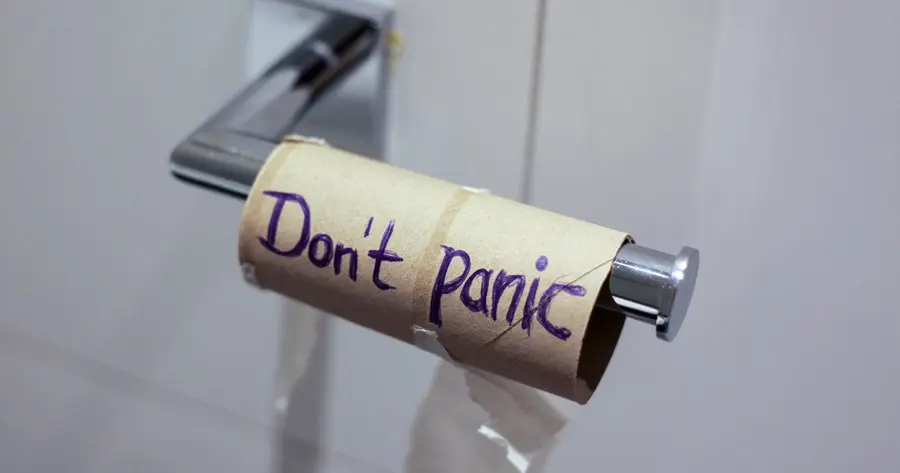
Crisis management. Two words that can put the fear of God into any business. And rightfully so, I mean crisis actually means ‘a time of intense difficulty or danger’ and who wants to endure that?
Surviving a PR crisis in business is not at all fun for anyone involved, not least the management, staff and stakeholders who scramble to uphold their brand’s reputation. A crisis is at the very core most likely going to spark the fight or flight mode in most humans. The key is to stay in fight mode, don’t flea. Stick around, ride it out, weather the storm with a united front, and a hell of a good PR strategy behind you. Particularly a strategy from someone you trust and respect, and someone who is well trained in effective Crisis Communications.
A few months back I was at the Women in Media conference in Sydney where one of the sessions focused on Crisis Comms: Surviving the Storm. A well-respected panel of industry experts from the PR world provided their insights into crisis communications, and the general consensus across the board was that broadly, any crisis can be dealt with, brands can and do recover from crises, and that most things are workout-able. The caveat? Being prepared with exceptional crisis PR strategy.
The example given in the session was that of the now infamous ‘Coldplay Couple’, the couple that gained attention during the Coldplay concert when they were caught on the Kiss Cam in what turned out to be an extra-marital affair. The moment went viral with the pair quickly identified as being the CEO and Chief People Officer of Astronomer. The company went into PR overdrive to manage the fallout and attention on their business, and by the end of the week even had Gwyneth Paltrow on board in a satirical video that effectively redirected attention. Clever PR at its finest.
Whilst at Threesides Marketing we’re not dealing with crisis management to the level of the world’s attention on Astronomer and internationally renowned bands and actors, revisiting discussions on lessons learnt during a PR crisis is timely as we have been recently assisting some of our more long-term clients in providing strategy and advice on how to manage some tricky situations they’ve found themselves in as part of doing business.
So, I sat down with Threesides Marketing’s Director, Todd Wright, for a refresh on the best approaches to crisis communications.
Todd leads with a memory that always stuck with him from his communications studies at University of Canberra -that if you wait for a crisis to happen to you, then you’ll be very reactive when it does. You will probably not have enough time and enough bandwidth, mental capacity or ammunition to actually deal with the crisis in the best way.
Instead, if you plan for one, really plan out different and worst-case scenarios that could happen in your business, then you will actually be ahead of the game.
Todd explains that at Threesides the types of crises we’ve dealt with have been political crises, global crises (of course the Covid crisis comes to mind), and natural crises such as the 2019 bushfires.
“Every time we’ve had one of these huge, national or global events, there’s always local impacts. At Threesides we’ve helped clients deal with social crisis, we’ve dealt with formulating responses to business closures, allegations of abuse, criminal issues, we’ve dealt with deaths, we’ve dealt with brand and reputation. And everybody thinks because we’re in marketing, the only thing we need to worry about is brand and reputation. But the most important thing that we deal with in crisis communications is the impact on people,” said Todd.
“Because every single person at the end of the day is going to worry about themselves and worry about their family, the people around them. And as their circle of concern grows, brand and reputation is on the outside of that circle. So, if you can actually focus on the inside and focus on people first, then you have a people-first strategy. That’s the most important. Because if you look after the people, then people will look after the brand,” Todd continued.
Right information, right people, right channels, right order is also paramount. Always consider things like what information does the internal team need? What information does the Board need? What information does the Executive team need? What information do our customers need? What information does the media need? What information does the community need?
“And the answer is always, not everybody needs all of the same information delivered in the same way. So, tailoring the information, the amount of information, the specific details around the information to ensure that they’re all informed but not concerned, that does not mean hiding or lying or changing the facts. That means being open and transparent and making the right information available to the right person for the right time for the right reason,” Todd continued.
Our top tips for businesses/brands facing a PR crisis:
- If you’re in business, a crisis will happen in some form at some point – the best approach is proactive planning before onset. Scenario modelling and role clarity ahead of time will improve response time.
- Plan plan plan – Have a Media/Communications Strategy in place which includes a risk matrix and the plan for all kinds of scenarios – good and bad. Ensure the plan lists your stakeholders, key messages and agreed responsibilities.
- People -centric communication comes first – people’s concerns during crisis come first and foremost. Successful communications respects this. Also determine upfront who your spokesperson/people are. Ensure they are adequately briefed and understand what is happening, and are prepared with the right messaging and responses for the right channels.
- Information management is key – relationship building prior to a crisis is critical for rapid fact finding. Frequent structured communication meetings ensure real-time updates and that all team members are informed, enhancing clarity. How much information can you get early? How can you build the fullest picture with the facts? Turn up with relationships, turn up with contacts, turn up with the right people in the right places.
- Identify any blind spots – if there are gaps in information, too many opinions and not enough fact, then blind spots will happen. Identify these early and how to help fill those in.
- Coordinate in a crisis – crisis communication methods from emergency response teams can provide a valuable framework. Meet frequently and meet often, especially if you know the crisis may last for a while. Always prioritise face-to-face meetings – think of what you see when you watch an Australian bushfire response – a communications centre with real people working from the same physical space with clearly defined roles, regular updates and clear briefings.
For me personally, it’s always important to revisit an old saying (probably showing my age here) – today’s news is tomorrow’s fish and chips paper. Time heals. An effective strategy will help get you through the worst times in a crisis, and in time the general public will be onto the next big thing.
If you’d like to talk PR strategy and gain some more tips on surviving a PR crisis, get in touch with us today.